
If you’re anything like me, you probably learned (sometimes the hard way) that pregnancy can make your body feel like a whole new universe. A beautiful one, yes — but also unpredictable, exhausting, and downright mysterious. When I was pregnant with my first child, I remember sitting in my midwife’s office, clutching a bottle of prenatal vitamins, and asking, “Okay, but do I really need anything extra?” That’s when she gently pointed out something I hadn’t thought much about: magnesium.
Turns out, it’s one of those unsung heroes. And it matters more than most of us realize. Whether you’re in your second trimester and struggling with leg cramps at night, or you’re already nursing a newborn and wondering if your body’s reserves are enough, the truth is this: Magnesium during pregnancy and magnesium while breastfeeding both play a critical role.
Let’s break it all down in a human, practical way — without the fluff.
Why Magnesium Really Matters for Moms
Magnesium is often called the “master mineral” because it’s involved in over 300 biochemical reactions in the body. That’s not marketing hype — it’s hard data. From helping regulate blood pressure to supporting muscle and nerve function, it’s sort of like the quiet backstage crew that makes sure the show runs smoothly.
During pregnancy, your body’s magnesium needs go up significantly. Why? Because your baby is literally building bones, tissues, and enzymes from scratch. Without enough, you might notice issues like:
- Muscle cramps (hello, midnight calf pain!)
- Higher stress and anxiety levels
- Trouble sleeping
- Constipation (yep, no one talks about this enough)
- Risk factors for preeclampsia if deficiency is severe
And if you’re breastfeeding? The story continues. Low magnesium can affect energy production, milk supply, and postpartum recovery. I learned the hard way when my second baby was born — running on no sleep felt ten times worse when I wasn’t replenishing minerals correctly.
Signs You Might Be Low on Magnesium
Let’s be real: it’s easy to miss the signs. Most of us chalk them up to “normal pregnancy stuff.” But here are some subtle red flags:
- Restless sleep or insomnia
- Twitching muscles or eyelids
- Feeling more anxious than usual
- Cravings for chocolate (yes, this can sometimes signal magnesium needs)
- Headaches or migraines
If you nod along to several of these, it might be time to look at your intake.
How to Boost Magnesium Naturally
So, how do you increase this superhero mineral without overcomplicating your life?
Food Sources to Lean On
You don’t even have to buy fancy supplements if your diet is on point. Some of my go-to magnesium foods during pregnancy were:
- Dark leafy greens (spinach, kale, Swiss chard)
- Nuts and seeds (almonds, pumpkin seeds, sunflower seeds)
- Whole grains (brown rice, oats, quinoa)
- Legumes (lentils, chickpeas, black beans)
- Dark chocolate (in moderation, but hey, no guilt!)
Supplements: When Food Isn’t Enough
Sometimes food alone won’t cut it — especially if you’ve had nausea, morning sickness, or dietary restrictions. Magnesium citrate or magnesium glycinate tends to be well-absorbed and gentle on digestion.
Pro tip: Always check with your OB/GYN or midwife first before starting supplements. Too much of a good thing (more than ~350mg supplemental magnesium daily) can cause digestive upset.
Top Magnesium Picks & Recommendations
Based on both research and personal trial-and-error, here are some safe ways to get magnesium in while pregnant or nursing:
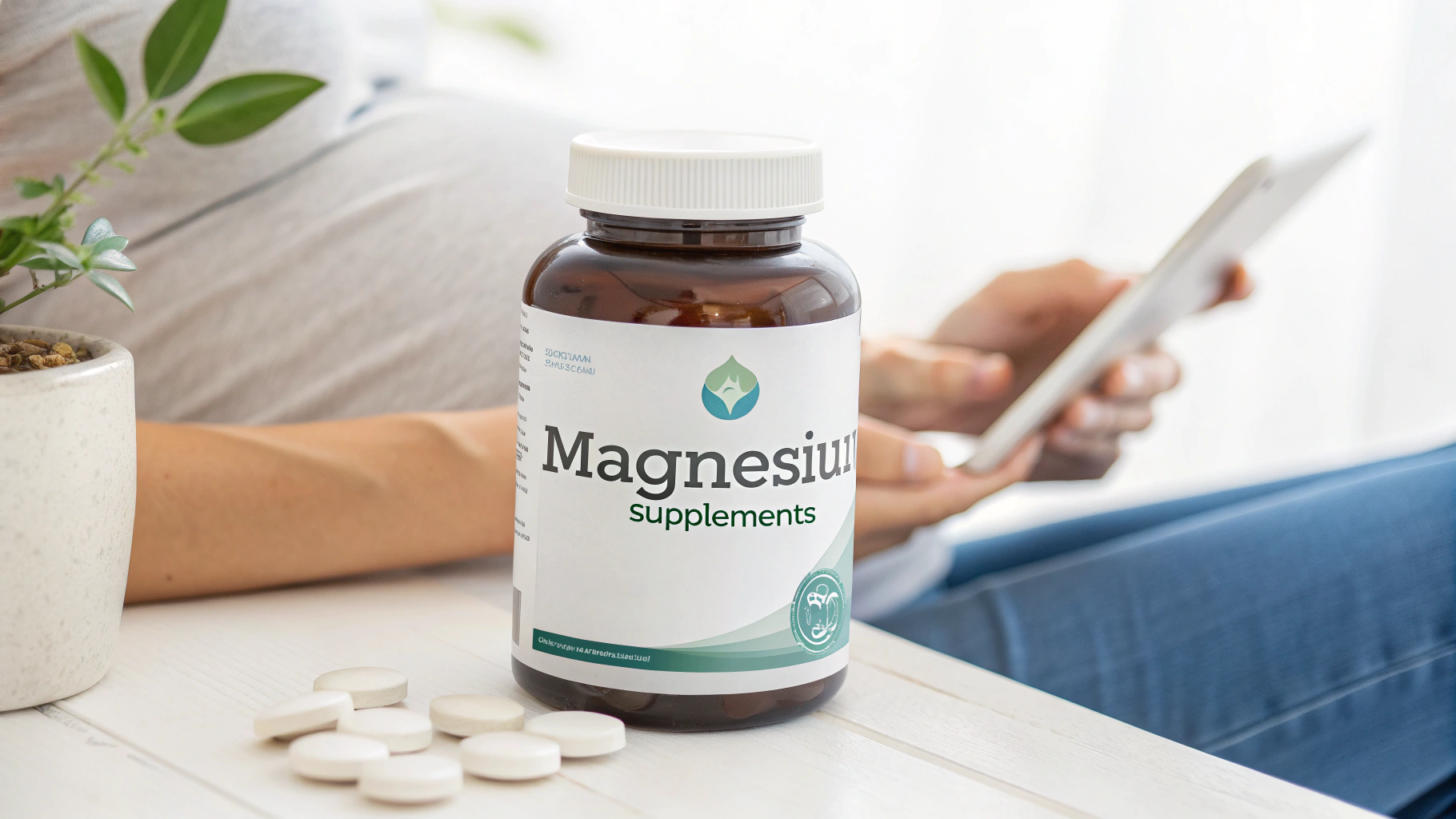
1. Magnesium Glycinate (Capsules)
- Pros: Highly absorbable, less likely to cause loose stools.
- Cons: Can be pricier than other forms.
2. Magnesium Citrate (Powder Form)
- Pros: Easy to mix in water, great for constipation.
- Cons: Higher likelihood of digestive side effects if overused.
3. Magnesium Oil (Topical Spray)
- Pros: Great for muscle cramps and restless legs. Bypasses digestion.
- Cons: Can cause a tingling sensation on sensitive skin.
4. Epsom Salt Baths
- Pros: Relaxing, absorbs through the skin, eases tension.
- Cons: Not always practical for busy moms.
When I was breastfeeding my second baby, I actually relied more on topical magnesium because my stomach was still sensitive post-delivery. It made a difference in calming muscle tension and helping me wind down at night.
Practical Tips: Making Magnesium Part of Daily Life
How do you actually fit this in when you’re juggling morning sickness, prenatal appointments, or feeding a newborn every 2 hours? Here’s what worked for me (and other moms I’ve spoken to):
- Start small. Add one magnesium-rich food to each meal. A handful of almonds with breakfast, lentils for lunch, or leafy greens at dinner.
- Double up on habits. I’d take powdered magnesium at the same time I made my evening tea — creating a ritual helped me stay consistent.
- Use topical solutions when nights are rough. A quick spray of magnesium oil on calves before bed became a lifesaver during the third trimester.
Budget-Friendly & DIY Options
Not everyone wants to splurge on supplements — and honestly, you don’t have to.
- Buy Epsom salt in bulk (it’s inexpensive) and enjoy a 15-minute soak once or twice a week.
- Make magnesium “mocktails” with citrate powder and lemon water for a relaxing drink.
- Focus on beans and grains, which are some of the cheapest nutrition-dense sources of magnesium.
FAQ – Questions Moms Actually Ask
Q: Can magnesium prevent preeclampsia?
A: While research suggests magnesium may help regulate blood pressure and reduce risk, it’s not a magic bullet. Think of it as part of your overall prenatal care — not a replacement for medical monitoring.
Q: Is magnesium safe during breastfeeding?
A: Yes, and it may even help with milk quality and your own postpartum energy levels. Still, always confirm dosage with your provider.
Q: When’s the best time to take magnesium?
A: Many women find it helps most in the evening since it can support relaxation and sleep.
Q: Can I get too much magnesium?
A: With food alone, not really — your kidneys flush out excess. But high-dose supplements can cause digestive upset, so moderation is key.
Final Takeaway
Pregnancy and postpartum are marathon seasons, not sprints. And trust me, I know how easy it is to put your needs last when you’re juggling everything from baby kicks to midnight feedings. But making space for simple, consistent mineral support — like Magnesium during pregnancy and magnesium while breastfeeding — is one of those small habits that pay big dividends.
Personally? Keeping magnesium in my routine made me feel a little more human, a little more rested, and definitely less cranky during those endless nights. You deserve that peace of mind, too. So take a breath, grab those pumpkin seeds, pour yourself that sleepy-time tea, and remember: you’re building life. And you’ve got this.